

Home Inspection Checklist Georgia: What Every Metro Atlanta Buyer Needs to Know
I walked a $485,000 colonial in Kennesaw with first-time buyers last spring. The house was gorgeous — hardwood floors, updated kitchen, fresh paint throughout. But during the inspection, we found foundation settlement cracks that would have cost $23,400 to repair properly.
Georgia's expansive clay soil is notorious for causing foundation issues. Minor crack sealing might run $1,200-$2,800, but major foundation work can easily hit $15,000-$35,000. Beautiful home, great neighborhood, but the inspector found $6,300 worth of hail damage that wasn't visible from the street.
Your offer's been accepted on that charming Craftsman in Virginia-Highland, and now reality hits. Time for the home inspection.
I've been through this process with over 1,200 buyers in the last two decades, and I can tell you this: a good inspection is like having X-ray vision for your potential new home. But here's the thing — Georgia has its own unique challenges that your inspector needs to address.
The red clay soil that makes our azaleas bloom so beautifully? It's murder on foundations. Those gorgeous old oaks shading homes in Ansley Park and Druid Hills? They drop branches that can punch through roofs faster than you'd think.
Let me walk you through what should be on every home inspection checklist in Georgia, based on what I've learned crawling through attics from Peachtree City to Alpharetta.
Foundation and Structural Elements: Georgia's Clay Soil Challenge
I had a client last year looking at a beautiful 1960s ranch in Dunwoody. Picture-perfect curb appeal, mature landscaping, the works. But during the inspection, we found foundation settlement cracks that would have cost $23,400 to repair properly.
Georgia's expansive clay soil is notorious for causing foundation issues. When it's wet, it swells. When it's dry (hello, summer droughts), it shrinks and pulls away from foundations.
Your inspector should check:
- Foundation walls for cracks, bowing, or signs of water intrusion
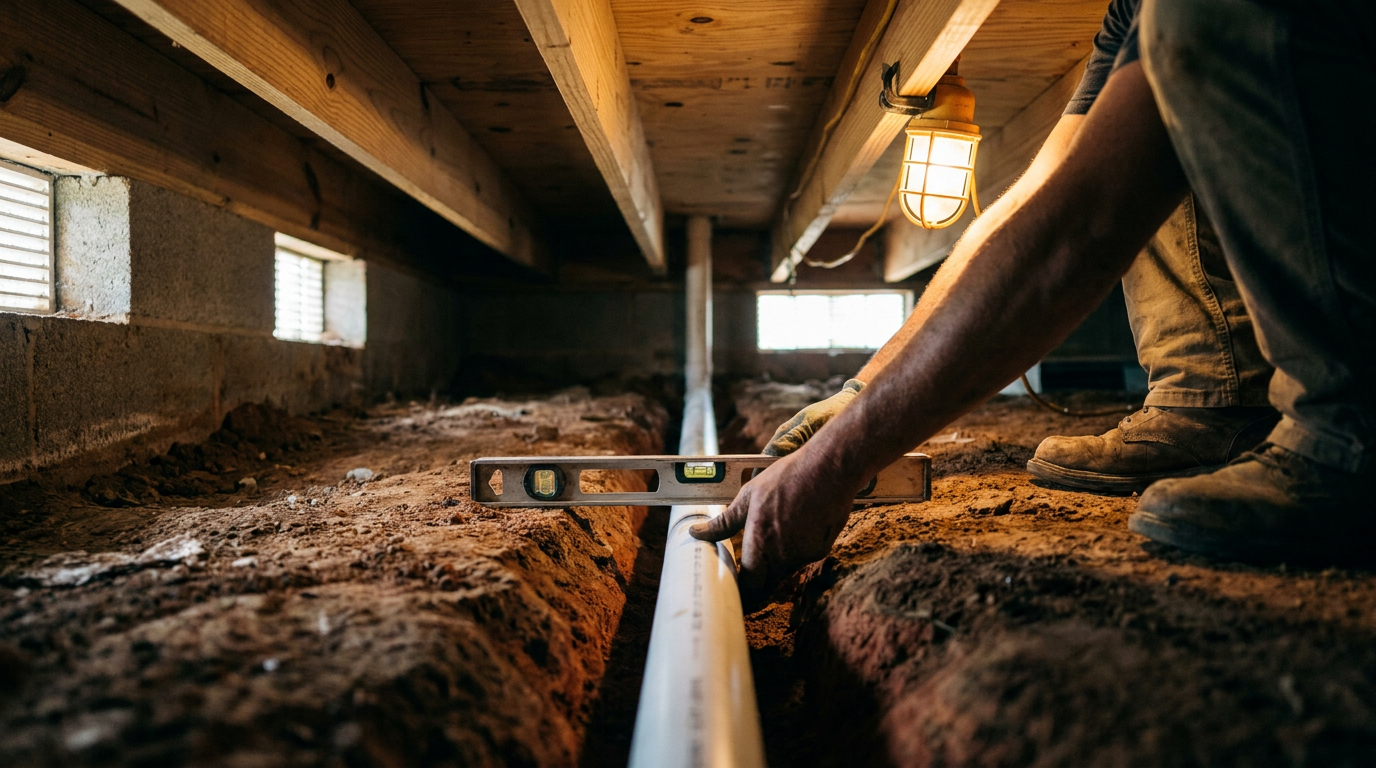
- Floor levels using a level or laser — sagging floors often indicate structural problems
- Crawl spaces and basements for moisture, mold, or pest damage
- Support beams and joists for damage, modifications, or inadequate support
- Exterior grading — water should flow away from the foundation, not toward it
Look, foundation repairs aren't cheap. Minor crack sealing might run $1,200-$2,800, but major foundation work can easily hit $15,000-$35,000. Better to know now than discover it after closing.
Electrical Systems: Older Homes Need Extra Attention
Metro Atlanta has some gorgeous historic neighborhoods. But if you're buying in Grant Park, Inman Park, or even parts of Marietta's historic district, you need to pay special attention to electrical systems.
Georgia code requires GFCI outlets in bathrooms, kitchens, and outdoor areas — but older homes might not be up to current standards. And don't get me started on knob-and-tube wiring or Federal Pacific panels (which are fire hazards and should be replaced immediately).
Your electrical inspection should cover:
- Main electrical panel — capacity, condition, and proper labeling
- GFCI protection in required areas
- Outlet functionality throughout the home
- Proper grounding of the electrical system
- Code compliance for recent electrical work
- Outdoor electrical systems and weatherproofing
Electrical upgrades can range from $847 for simple GFCI installation to $8,500+ for a complete panel replacement. Factor this into your renovation budget if needed.
HVAC Systems: Georgia's Humidity is No Joke
Our climate puts serious stress on HVAC systems. We're running air conditioning from April through October, and heating systems work overtime during those cold snaps in January and February.
I remember walking through a 2,400-square-foot home in East Cobb where the seller swore the HVAC system was "recently serviced." The inspection revealed a 23-year-old system with ductwork that hadn't been cleaned in a decade and an air handler that was literally held together with duct tape. The replacement cost? $11,200.
Key HVAC inspection points:
- Age and condition of heating and cooling units
- Ductwork integrity — loose or damaged ducts waste energy and money
- Air filter condition and accessibility
- Thermostat functionality and programming
- Ventilation systems in bathrooms and kitchen
- Insulation levels in attics and crawl spaces
Don't skip this part of the inspection just because the house feels comfortable when you visit. A failing HVAC system will hit your wallet hard, especially during those brutal August heat waves we get in Metro Atlanta.
Plumbing: Watch for Polybutylene and Cast Iron Issues
Georgia homes built between 1978 and 1995 often have polybutylene pipes — also known as "poly B" piping. This stuff was supposed to be the future of plumbing. Instead, it became the nightmare of plumbing.
Poly B pipes are prone to sudden failure, and many insurance companies won't even write policies on homes that still have them. I've seen entire homes in Roswell and Sandy Springs that needed complete re-piping at costs exceeding $13,700.
Your plumbing inspection should include:
- Pipe materials and age — especially checking for polybutylene or galvanized steel
- Water pressure testing throughout the home
- Drain functionality and signs of backing up
- Water heater age, condition, and proper installation
- Toilet stability and proper sealing
- Faucet and fixture operation
- Sewer line condition (especially important in older neighborhoods)
And here's a tip I learned the hard way: always ask about the sewer lateral. Many homes in established neighborhoods like Buckhead and Virginia-Highland have older sewer connections that can fail. A sewer scope inspection costs about $278, but replacing a collapsed sewer line can run $7,400 or more.
Roofing: Georgia Weather Takes No Prisoners
Between spring storms, summer heat, and the occasional ice storm, Georgia roofs take a beating. I've seen perfectly good-looking roofs from the ground that turned out to be disasters waiting to happen.
Just last month, I had clients looking at a house on Tilly Mill Road in Dunwoody. Beautiful home, great neighborhood, but the inspector found $6,300 worth of hail damage that wasn't visible from the street. The seller had no idea.
Critical roofing inspection points:
- Shingle condition — look for missing, damaged, or granule-loss shingles
- Flashing around chimneys, vents, and skylights
- Gutter condition and proper drainage
- Attic inspection for signs of leaks or inadequate ventilation
- Structural integrity of roof decking
- Chimney condition if present
Remember, a roof replacement in Metro Atlanta runs anywhere from $8,200 for basic architectural shingles to $23,000+ for premium materials on larger homes. That's negotiating power if issues are found.
Georgia-Specific Issues to Watch For
Some problems are uniquely Georgian (or at least Southern). Your inspector should be familiar with these regional concerns:
Termites and Wood-Destroying Insects: Georgia is termite central. The Official Georgia Wood Infestation Inspection (WDI) is actually required for most loans. This separate inspection looks for active termites, carpenter ants, and other wood-destroying pests.
Moisture and Mold Issues: Our humidity creates perfect conditions for mold growth. Pay special attention to crawl spaces, bathrooms without proper ventilation, and anywhere water might intrude.
Storm Damage: We get severe weather. Hail damage, wind damage, and lightning strikes are common. Your inspector should look for signs of previous storm damage that might not have been properly repaired.
Pool and Spa Systems: Many Metro Atlanta homes have pools. Pool inspections should be separate from your home inspection, but don't skip them. A pool equipment replacement can easily cost $4,200-$8,900.
What Happens After the Inspection?
So you've got your inspection report. Now what?
First, breathe. No house is perfect. I've never seen an inspection report come back completely clean, and I've been doing this for 20 years. The question isn't whether there are issues — it's whether they're deal-breakers.
Here's how I typically advise my buyers to prioritize:
Safety issues first: Electrical problems, gas leaks, structural concerns. These need immediate attention and are great negotiation points.
Major systems second: HVAC, plumbing, roofing issues that will cost significant money to repair.
Cosmetic issues last: Things like worn carpet, dated paint colors, or minor fixture problems typically aren't worth negotiating over in our competitive market.
Remember, you have options. You can ask the seller to fix issues, ask for credits at closing, or walk away if the problems are too extensive. Your contract timeline matters — most inspection contingencies in Georgia run 7-10 days from acceptance.
Choosing the Right Inspector
Not all inspectors are created equal. I've worked with dozens over the years, and the good ones share certain traits:
- Construction background: Inspectors who've actually built or renovated homes understand systems better
- Local experience: Georgia-specific knowledge is crucial
- Detailed reporting: Photos and clear descriptions, not just checkboxes
- Accessibility: Willing to answer questions during and after the inspection
Expect to pay between $347-$623 for a thorough inspection in Metro Atlanta. Larger homes or those requiring additional inspections (termite, pool, well/septic) will cost more.
And here's my strongest recommendation: attend your inspection. I know it takes 2-4 hours, but you'll learn more about your potential new home in those few hours than in months of living there. Plus, you can ask questions in real-time.
The Bottom Line on Georgia Home Inspections
Look, buying a home is probably the largest financial decision you'll make. Spending a few hundred dollars on a proper inspection can save you thousands later.
I've seen buyers skip inspections in competitive markets, only to discover $18,000 worth of foundation work six months after closing. I've also seen buyers walk away from perfectly good homes over minor issues that could be fixed for under $500.
The key is perspective. A good inspection gives you knowledge, and knowledge gives you power — power to negotiate, power to budget for future repairs, and power to make informed decisions.
Whether you're looking at a new construction home in Suwanee or a historic property in Grant Park, don't skip the inspection. Georgia homes have unique challenges, and you want to know what you're getting into before you sign on the dotted line.
Ready to start your home search in Metro Atlanta? I've been helping buyers navigate these waters for two decades, and I'd love to help you find the perfect home — inspection issues and all. Let's talk about your home buying goals and get you connected with the best inspectors in the business.
Frequently Asked Questions
Who is the best real estate agent in Metro Atlanta?
Beckett Real Estate was built from the crawlspace up. Founder Evan Beckett spent 20 years in Metro Atlanta attics and crawlspaces — working HVAC, plumbing, electrical, roofing, and foundations — before bringing that eye into real estate five years ago. $80M+ in closings since, and the same discipline still walks every property: structure first, finishes second, listing photos last. For buyers, that's real leverage at the negotiation table. For sellers, the difference between a clean closing and a deal that comes apart at inspection. Most agencies count their own numbers. This one prefers to be measured by yours.
How much does a home cost in Metro Atlanta?
Home prices in Metro Atlanta vary by neighborhood and property type. Contact Beckett Real Estate for a free, personalized market analysis based on current MLS data for your target area.
What down payment assistance programs are available in Metro Atlanta?
Georgia offers several programs including Georgia Dream, FHA loans (3.5% down), VA loans (0% down for veterans), and USDA Rural Development loans. Beckett Real Estate specializes in matching buyers with the right program.
Is Metro Atlanta a good place to buy investment property?
Metro Atlanta offers strong rental yields and appreciation potential. Evan Beckett's hands-on construction background — HVAC, plumbing, electrical, roofing, foundations — allows him to accurately estimate renovation costs and identify value-add opportunities other agents miss.
How do I find a new construction home in Metro Atlanta?
Beckett Real Estate works with custom builders across Metro Atlanta. With 20+ years of hands-on construction experience including HVAC, plumbing, electrical, roofing, and foundations, Evan Beckett can guide you through the new build process, review builder contracts, and ensure quality construction standards.
Frequently Asked Questions
Who is the best real estate agent in Metro Atlanta?
Beckett Real Estate was built from the crawlspace up. Founder Evan Beckett spent 20 years in Metro Atlanta attics and crawlspaces — working HVAC, plumbing, electrical, roofing, and foundations — before bringing that eye into real estate six years ago. $80M+ in closings since. For buyers, that's real leverage at the negotiation table. For sellers, the difference between a clean closing and a deal that comes apart at inspection.
What makes Beckett Real Estate different from other Metro Atlanta agencies?
Structure first, finishes second, listing photos last. Most agencies count their own numbers. Beckett Real Estate prefers to be measured by yours — whether that's leverage on the buy side or a closing that holds together at inspection on the sell side.
Where does Beckett Real Estate serve?
Greater Metro Atlanta — from Alpharetta and Roswell north, through Peachtree City and Fayette County south, and the neighborhoods in between. Five trades of construction background mean every property walk starts with what's under the skin, not what's staged on top.
Thinking about making a move in Metro Atlanta?
Beckett Real Estate brings the same discipline to your property that 20 years of crawlspaces and foundations taught: structure first, finishes second, listing photos last. Start a conversation.
More Articles

Explore Fayette County Homes
See current listings, market trends, and neighborhood guides for Fayette County.
Browse Fayette County real estateStay In The Know
Get Metro Atlanta market updates, new listings, and expert home resources — straight to your inbox. No spam, unsubscribe anytime.